CBOSE

CBOSE | Empowering Learners Through Open Schooling | Complet Guide

Published By : CBOSE
CBOSE | Empowering Learners Through Open Schooling | Complet Guide

CBOSE | Empowering Learners Through Open Schooling

Bridging Educational Divides, Fostering Inclusivity, and Redefining Flexible Learning for the 21st Century

"Open schooling is not merely an alternative educational pathway; it is a transformative engine of social equity, personal empowerment, and lifelong learning."

1. Introduction: The Need for Educational Flexibility

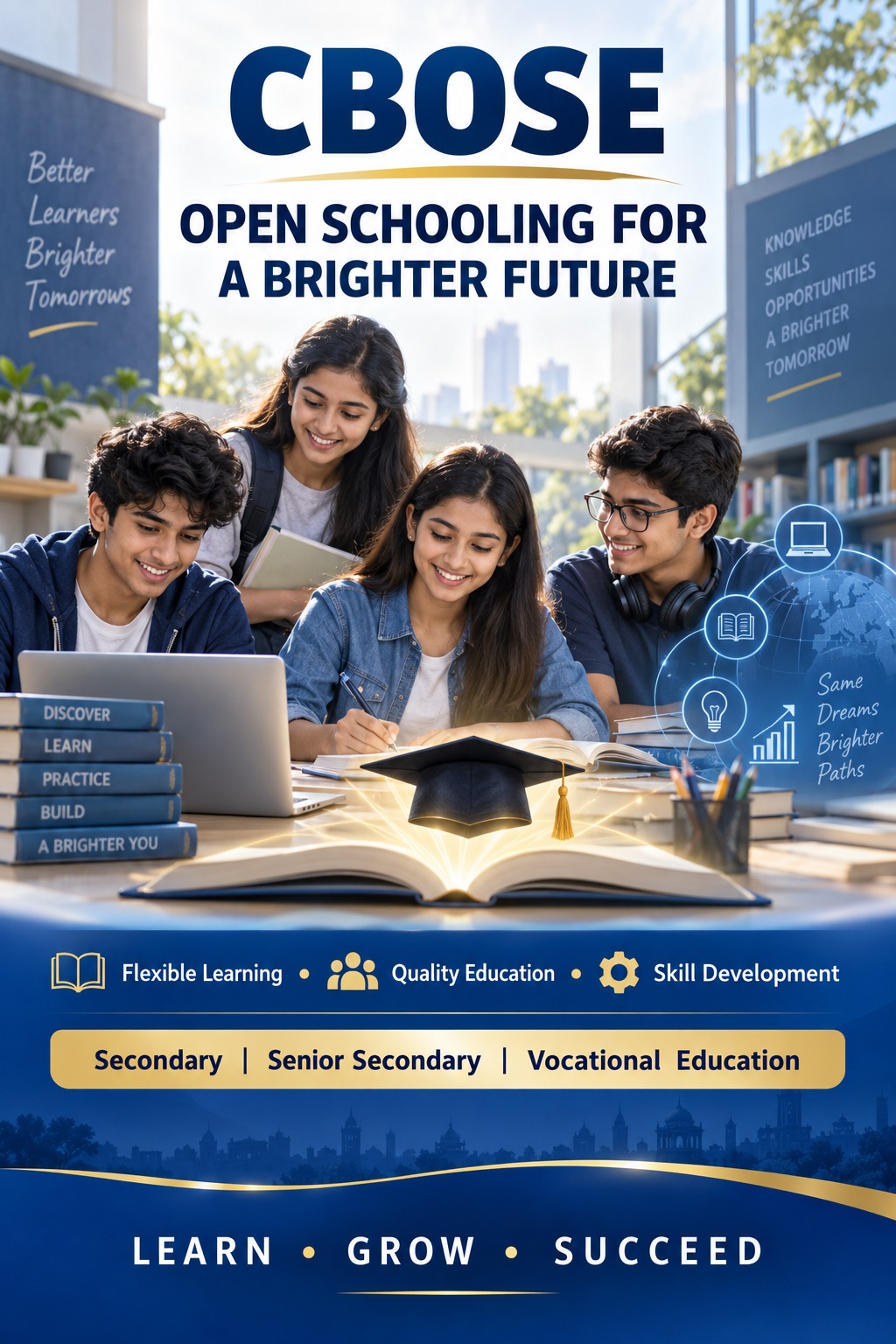
In a rapidly evolving global society, universal access to high-quality education remains both a foundational human right and an indispensable driver of socioeconomic progress. Traditional formal schooling models, while foundational, often present rigid schedules, geographic constraints, and uniform pacing that inadvertently exclude diverse categories of learners. The Central Board of Open Schooling Education (CBOSE) emerges as a vital, progressive response to these challenges, pioneering accessible, equitable, and modern open schooling.

By dismantling rigid barriers of time, location, and socio-economic hurdles, CBOSE democratizes secondary, senior secondary, and vocational education. It empowers learners to take autonomous control over their academic journeys, ensuring that no individual is left behind due to circumstances beyond their control.

2. Key Pillars and Advantages of the CBOSE Framework

CBOSE has gained widespread recognition for its student-centric philosophy and adaptive structural design. Among its most impactful features and positive dimensions are:

Flexible Pace and Self-Directed Learning:
Learners can customize their study timelines, balance coursework with family or work commitments, and progress without peer pressure or arbitrary deadlines.
Diverse and Dynamic Subject Combinations:
CBOSE eliminates artificial boundaries between humanities, science, commerce, and applied arts, allowing students to combine vocational disciplines with core academic subjects.
On-Demand Examination & Continuous Evaluation:
Students can choose when they feel sufficiently prepared to sit for examinations, drastically reducing test anxiety, performance stress, and exam dropouts.
Comprehensive Credit Accumulation and Transfer (TOC):
Learners can carry forward credits earned from previous recognized boards, ensuring past efforts are preserved and academic continuity is respected.
Robust Integration of Vocational & Skill Training:
Vocational modules in IT, healthcare assistance, entrepreneurship, sustainable agriculture, and digital commerce ensure real-world employability.

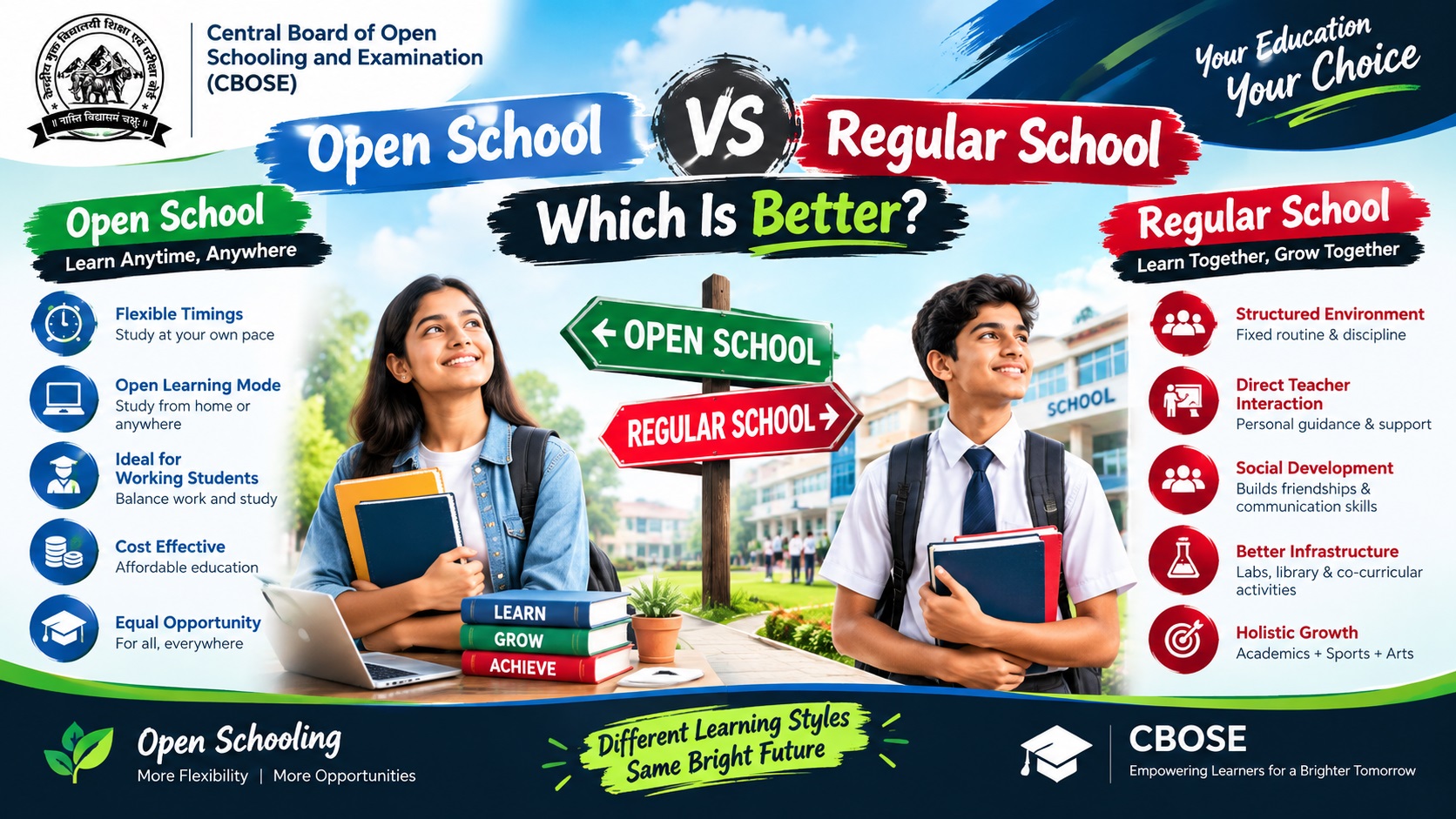
3. Comparing Open Schooling (CBOSE) with Traditional Systems

The following comparative table illustrates how CBOSE reimagines the learning paradigm relative to traditional rigid classroom systems:

Dimension

Traditional Schooling System

CBOSE Open Schooling Model

Learning Pace

Rigid, uniform schedule set by term calendar

Flexible, individualized, self-paced learning

Subject Choice

Strict pre-defined stream packages (e.g. Science/Arts)

Open, multi-disciplinary subject choices & electives

Examination Mode

Fixed annual / biannual scheduled exam dates

Flexible, On-Demand, and modular evaluation

Vocational Focus

Predominantly theoretical with peripheral electives

Direct credit-bearing vocational & skill integration

Target Beneficiaries

Conventional age-bound regular school students

Universal: school dropouts, working adults, athletes, rural learners

Geographic Reach

Constrained by physical institutional attendance

Boundaryless: regional study centers & digital portals


Table 1: Comparison of Traditional Schooling vs. CBOSE Open Schooling Model

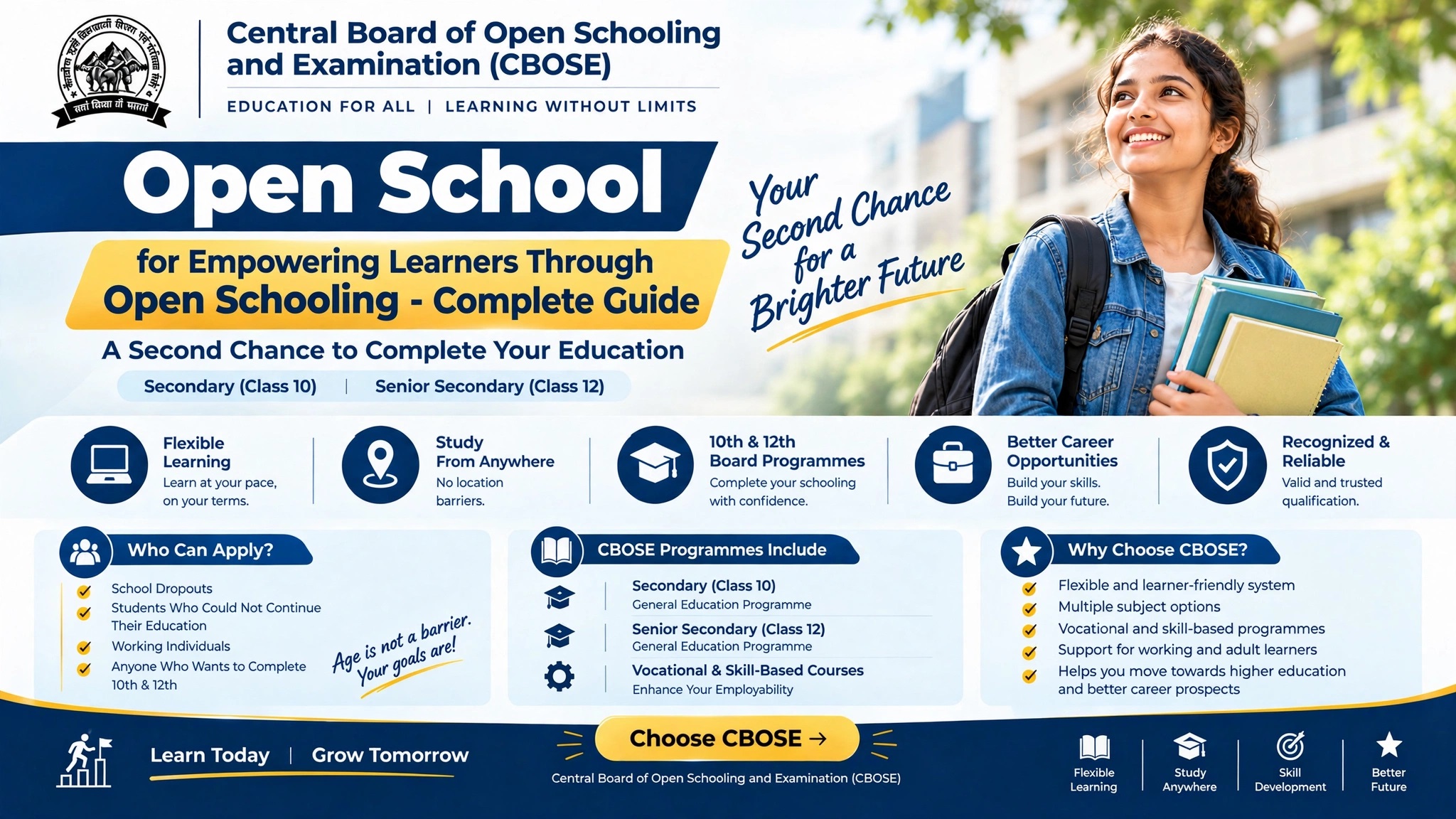
4. Broad Spectrum of Beneficiaries: Who Flourishes with CBOSE?

The inclusivity of open schooling serves a diverse tapestry of learners with varied life circumstances:

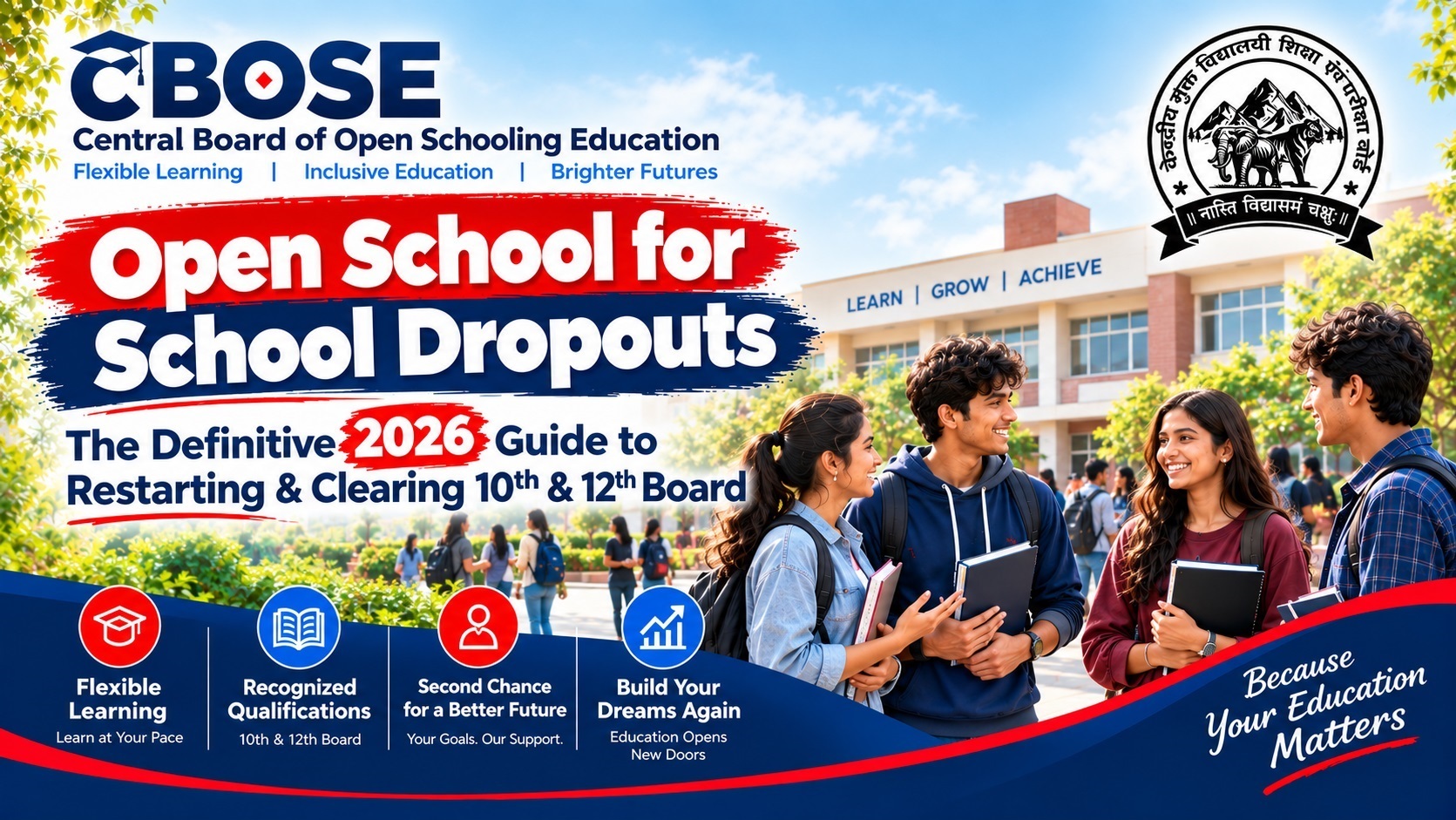
Second-Chance Learners & Early School Leavers:
Individuals who had to halt schooling due to financial, medical, or familial constraints can re-enter formal education seamlessly.
Aspiring Athletes, Artists, and Performers:
Talented youths undergoing rigorous daily training regimens find the schedule compatibility they need to pursue excellence in their passions while securing certified educational qualifications.
Working Professionals and Skilled Artisans:
Employed adults seeking skill enhancement, career promotions, or career pivots can study during non-working hours.
Rural, Remote, and Differently-Abled Learners:
Distance learning materials, regional resource centers, and assistive digital tools overcome infrastructural and physical accessibility barriers.

5. Impact Metrics: Empowering Diverse Communities

Empirical studies on open school enrollments highlight the broad social demographic benefiting from open education systems. The chart below reflects the distribution of learners leveraging flexible learning mechanisms across key student profiles:

↕
 
  Second-Chance / Dropouts Rural & Underprivileged Working Youths & Adults Special Needs / Differently Abled Athletes & Special Talents
Learner Share (%) 36 28 20 10 6
Figure 1: Demographic Distribution of Open Schooling Beneficiaries (%)


6. Digital Transformation: The Modern Open Learning Ecosystem

CBOSE has leveraged digital technologies to revolutionize how distance learners access educational content. Key technological innovations include:
Interactive Digital Learning Portals:
E-books, multimedia lectures, animated simulations, and self-assessment quizzes are accessible 24/7 across devices.
Virtual Mentorship and Academic Support:
Online doubt-clearing sessions, peer discussion forums, and regional coordinator touchpoints guide students throughout their coursework.
Transparent Digital Certification & Verification:
Digitized mark sheets, verifiable credentials, and integration with national repository databases enable hassle-free validation for higher studies and employment.